 Post by
 When a piece of industrial equipment needs to be installed, aligned, or moved, it’s not always obvious who to call. Do you need a millwright? A rigging company? Both? The terms get used interchangeably, but they refer to different — and often overlapping — parts of the same project. Understanding the difference helps you scope the job correctly and avoid hiring the wrong contractor for the work.
What Is a Millwright?
A millwright is a skilled tradesperson who installs, aligns, maintains, and repairs industrial machinery. Millwright work includes disassembling equipment for transport, precision alignment during installation, and reassembling machinery so it runs correctly from day one. This is detail-oriented, mechanical work — millwrights are the ones making sure a piece of equipment is not just in place, but properly calibrated and ready to operate.
Common millwright tasks include:
- Disassembly and reassembly of complex machinery
- Precision alignment of motors, gearboxes, and production equipment
- Installation of new equipment on a facility floor
- Mechanical troubleshooting and repair
What Does a Rigging Company Do?
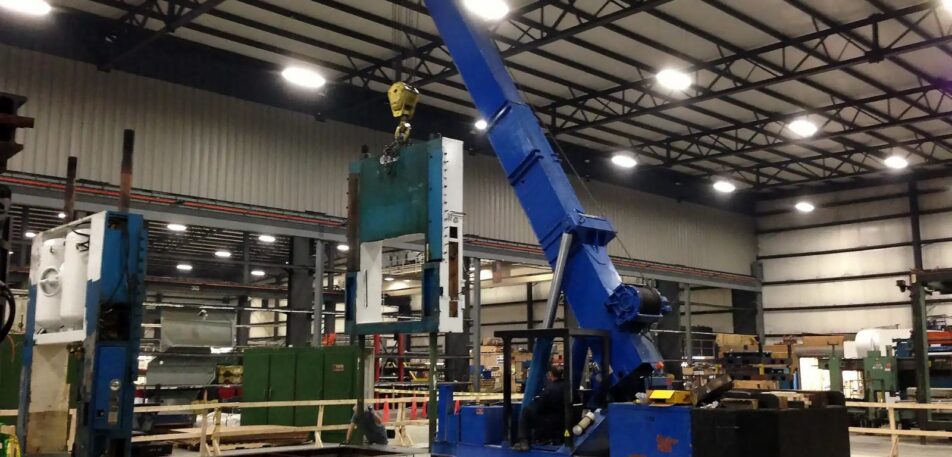
A rigging company handles the safe lifting, moving, and positioning of heavy equipment. Rigging is the engineering and physical work of getting a machine from one place to another — calculating load weights, selecting the right lifting equipment, and executing the move without damaging the equipment or endangering the crew.
Common rigging tasks include:
- Machinery moving within or between facilities
- Plant relocations, including full facility moves
- Lifting and positioning equipment for other trades
- Secure storage of equipment between project phases
Where the Two Overlap
In most real-world projects, rigging and millwright work happen together. A machine has to be safely moved and positioned (rigging) before it can be aligned and installed (millwright work). Trying to split these into two separate vendors often creates coordination gaps — and gaps are where delays and liability issues happen.
This is why many companies, including Valor, offer both services under one team. It means a single point of contact plans the move and the installation as one continuous project, rather than handing equipment off between two contractors mid-job.
A Simple Way to Think About It
If your question is “how do we get this machine from point A to point B safely,” that’s rigging. If your question is “how do we get this machine installed, aligned, and running correctly,” that’s millwright work. Most industrial projects need both — which is why it’s worth asking any contractor you’re considering whether they handle just one piece, or the full scope.
Why This Matters for Data Center and Industrial Construction Projects
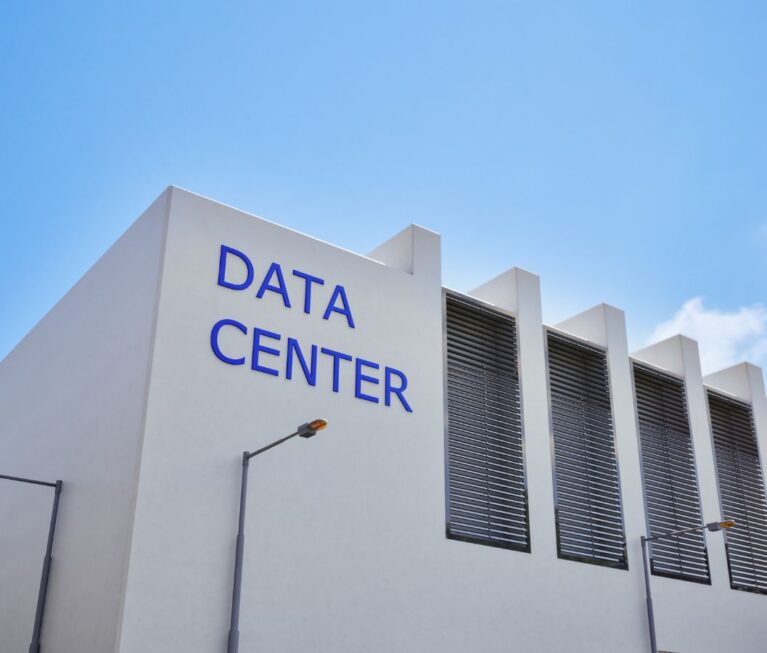
On a data center build or industrial construction project, equipment like generators, chillers, switchgear, and CRAC units needs to be moved into position and then precisely installed — often on a tight construction schedule with multiple trades working around it. A single team handling both the rigging and the millwright scope reduces scheduling risk and keeps the project moving without handoffs between vendors.
Valor Specialized Rigging provides both rigging and millwright services — machinery moving, plant relocations, precision alignment and installation, trade equipment rigging, and secure storage — across San Antonio, Austin, Houston, and Florida. Contact our team to talk through your project’s scope.
Frequently Asked Questions
What is the difference between a millwright and a rigger?
A rigger handles the safe lifting, moving, and positioning of heavy equipment. A millwright handles the installation, alignment, and mechanical assembly of that equipment once it’s in place. Many projects require both.
Do I need to hire a separate millwright and rigging company?
Not necessarily. Many companies, including Valor, provide both services under one team, which simplifies scheduling and reduces the risk of coordination gaps between separate vendors.
What does a millwright actually do on a job site?
A millwright disassembles, aligns, installs, and reassembles industrial machinery, ensuring it’s properly calibrated and ready to operate once installation is complete.
Can a rigging company also do millwright work?
Yes, many rigging companies employ millwrights or have millwright capabilities in-house. Valor offers both rigging and millwright services as part of its core scope.
How do I know if my project needs a millwright, a rigger, or both?
If equipment needs to be moved, that’s rigging. If it needs to be aligned, installed, or mechanically assembled, that’s millwright work. Most industrial equipment installations require both.
What industries typically need millwright services?
Manufacturing, industrial, energy, and construction sectors regularly need millwright services for equipment installation, maintenance, and repair — including data center construction projects.
Is millwright work only for new equipment installations?
No. Millwrights also handle equipment relocations, realignments, maintenance, and repairs on existing machinery, not just new installs.
How much does millwright and rigging service cost?
Cost depends on the equipment involved, the complexity of the move and installation, and the project timeline. Most companies provide a quote after reviewing the specific scope of work.
Why do data center construction projects need both rigging and millwright services?
Equipment like generators, chillers, and switchgear must be moved into position and then precisely installed on a tight construction schedule. A single team handling both reduces delays and coordination risk between trades.
What areas does Valor Specialized Rigging serve?
Valor serves San Antonio, Austin, Houston, and Florida, with additional projects taken on across Texas and beyond depending on scope.
Recent Comments
Archives